







Sleep apnea is a condition that causes interrupted breathing during sleep. The most common type is obstructive sleep apnea, which happens when the airway repeatedly gets blocked during the night. This can cause snoring, disrupted sleep, and serious health problems over time.
A mandibular advancement device is one treatment option for this condition. It’s often used when people cannot tolerate CPAP therapy or when the sleep apnea is mild to moderate. In this article, we’ll explain what a mandibular advancement device is, how it works, and what to expect if you choose to use one.
What is Obstructive Sleep Apnea?
Obstructive sleep apnea is caused by the temporary collapse of the upper airway during sleep. When the muscles in the throat relax too much, the airway becomes narrower, and airflow is blocked. This leads to pauses in breathing or shallow breaths.
Common signs of sleep apnea include:
- Loud snoring
- Daytime tiredness
- Waking up gasping
- Frequent nighttime awakenings
- Trouble concentrating during the day
If untreated, sleep apnea can lead to high blood pressure, heart conditions, and poor overall health.
What is a Mandibular Advancement Device?
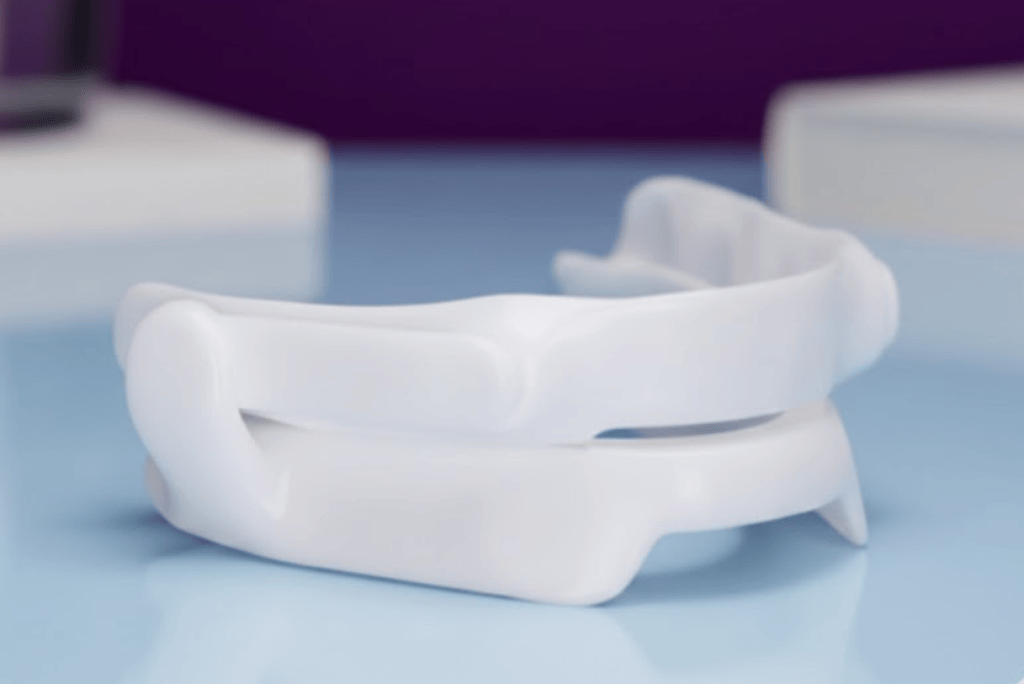
A mandibular advancement device is a type of oral appliance therapy used to treat obstructive sleep apnea. It is a mouthpiece worn during sleep. The device moves the lower jaw forward slightly, which helps keep the upper airway open. By reducing airway collapse, it helps improve airflow and reduce the number of breathing disruptions.
Mandibular advancement devices are typically made of durable plastic and are custom-fitted to the shape of a person’s teeth and jaw. Dentists or sleep specialists usually handle the fitting and adjustments.
How the Mandibular Advancement Device Works
The main purpose of a mandibular advancement device is to prevent airway collapse. It does this by gently pulling the lower jaw forward while you sleep. This small forward motion increases the size of the airway behind the tongue and in the throat, making it less likely to close.
This approach contrasts with CPAP therapy, which uses a machine to deliver continuous airway pressure to hold the airway open. While CPAP is effective for many, some find it uncomfortable or difficult to use. For these individuals, a mandibular advancement device may offer a less intrusive alternative.

Benefits of Oral Appliance Therapy
This treatment offers several practical benefits:
- No machine or tubing required
- Easy to travel with
- Simple to clean
- Less noise at night
- Custom fit increases comfort
While it may not be suitable for everyone, oral appliances can be especially useful for people with mild or moderate obstructive sleep apnea or those who cannot tolerate other treatments like CPAP.
Case Study: Significant Airway Improvement with Oral Appliance Use
Comparing CPAP Therapy and the Mandibular Advancement Device
CPAP therapy remains the most recommended treatment for moderate to severe obstructive sleep apnea. It provides continuous airway pressure through a mask that covers the nose or face.
However, some people struggle with CPAP for reasons like:
- Discomfort from wearing a mask
- Skin irritation
- Difficulty sleeping due to machine noise
- Inconvenience while traveling
For those individuals, a mandibular advancement device may be a better choice. It provides relief without bulky equipment, especially for patients with a smaller airway obstruction that responds well to repositioning the lower jaw.
A sleep specialist in Tucson may conduct tests to determine which treatment is best. In some cases, they might suggest starting with a mandibular advancement device before trying CPAP therapy or using both therapies together.
Getting a Mandibular Advancement Device
Here’s what to expect when getting fitted for the device:
- A sleep study is needed to diagnose sleep apnea
- A referral to a dentist or sleep specialist trained in oral appliance therapy
- Impressions of the teeth and jaw are taken
- A custom oral appliance is made based on the individual’s mouth
- Follow-up visits ensure a proper fit and monitor results
Adjustment may take time, but each visit helps fine-tune the device for comfort and effectiveness.
Possible Side Effects
Some people may notice side effects, especially when first using a mandibular advancement device. These often decrease with continued use and proper fitting.
Possible issues include jaw soreness, gum or tooth discomfort, dry mouth or excess saliva, or minor shifting of the bite.
Regular check-ins can help manage these issues. In many cases, adjusting the device can provide relief.
Is This Treatment Right for You?
You may be a good candidate for a mandibular advancement device if:
- You have been diagnosed with mild to moderate obstructive sleep apnea
- You snore frequently at night
- You are unable to use a CPAP machine comfortably
- You want a quieter and more portable option
It’s important to talk to a sleep specialist to confirm whether this treatment is suitable. They can explain the benefits, limitations, and how it compares with other options.

Long-Term Use and Follow-Up
Mandibular advancement devices require regular monitoring to stay effective. Over time, dental structure may change, affecting the alignment of the lower jaw. Your dentist or sleep specialist will ensure the device continues to fit well and works properly.
In some cases, a second sleep study might be recommended to measure how well the device is working. If symptoms persist or get worse, your provider may suggest switching to, or combining it with, another treatment.
Finding Restful Sleep With the Right Fit
The mandibular advancement device is a proven method for treating sleep apnea in certain cases. By moving the lower jaw forward, it helps keep the airway open during sleep and can reduce snoring and nighttime waking. It’s most helpful for people with mild to moderate obstructive sleep apnea or those who cannot tolerate CPAP therapy.
If you have sleep apnea or are struggling to manage your condition, speak with a sleep specialist. With the right evaluation and ongoing care, a mandibular advancement device may provide a simple and reliable way to improve your sleep.
