Visit our Case Studies to stay informed on the latest trends and insights in sleep health. Discover a wide range of topics, including effective sleep strategies, the impact of sleep disorders, and innovative treatments that aim to enhance your sleep quality and overall well-being.
Visit our blog to stay informed on the latest trends and insights in sleep health. Discover a wide range of topics, including effective sleep strategies, the impact of sleep disorders, and innovative treatments that aim to enhance your sleep quality and overall well-being.
At Sleep Perfection, our focus is your total health. We work with each patient to provide understanding, expertise, training, equipment and time to achieve the best results possible and help alleviate your sleep disorders.
For over 40 years, Dr. Pandhi has searched for solutions for his dental patients with sleep issues. He graduated in 1979 from dental school at the University of Bombay. He worked in a group practice for a few years in Tucson before starting his own dental practice, Smile Perfection, in 1987.
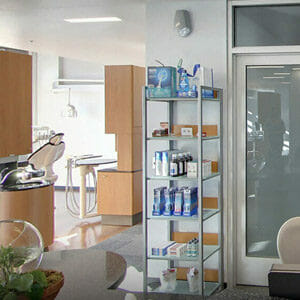
Sleep Perfection only uses dental equipment that provides ultimate comfort for every patient. We always choose amenities with the patient’s needs in mind, making sure they’re comfortable during their visits. Learn More
We look forward to evaluating and treating your patients with the same level of care they have grown to love at your practice. Please complete the form on this page to begin the patient referral process Learn More
Visit our Case Studies to stay informed on the latest trends and insights in sleep health. Discover a wide range of topics, including effective sleep strategies, the impact of sleep disorders, and innovative treatments that aim to enhance your sleep quality and overall well-being.
Visit our blog to stay informed on the latest trends and insights in sleep health. Discover a wide range of topics, including effective sleep strategies, the impact of sleep disorders, and innovative treatments that aim to enhance your sleep quality and overall well-being.
At Sleep Perfection, our focus is your total health. We work with each patient to provide understanding, expertise, training, equipment and time to achieve the best results possible and help alleviate your sleep disorders.
For over 40 years, Dr. Pandhi has searched for solutions for his dental patients with sleep issues. He graduated in 1979 from dental school at the University of Bombay. He worked in a group practice for a few years in Tucson before starting his own dental practice, Smile Perfection, in 1987.
Sleep Perfection only uses dental equipment that provides ultimate comfort for every patient. We always choose amenities with the patient’s needs in mind, making sure they’re comfortable during their visits. Learn More
We look forward to evaluating and treating your patients with the same level of care they have grown to love at your practice. Please complete the form on this page to begin the patient referral process Learn More
If CPAP feels like a fight every night, you’re not alone. Masks can leak, tubing gets in the way, and travel can be a hassle. When you need a simpler option, a custom mandibular advancement device (MAD) may help.
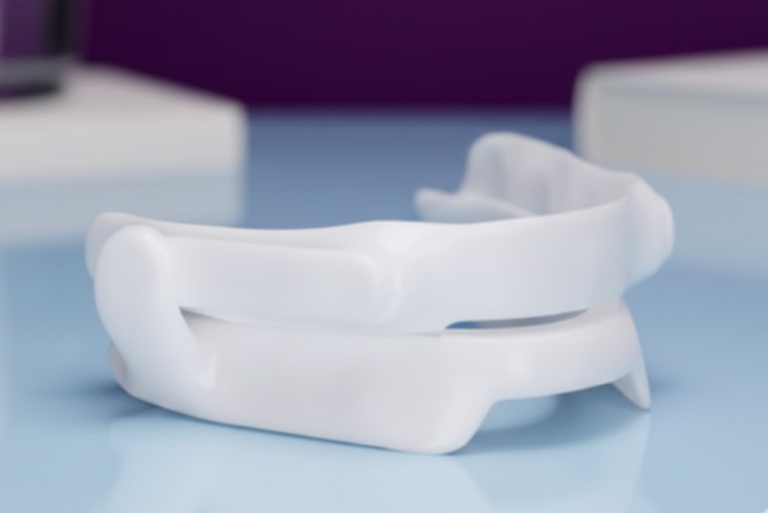
At Sleep Perfection in Tucson, we fit custom oral appliances that gently position your lower jaw forward during sleep to help keep the airway open. For many patients, especially those with mild to moderate obstructive sleep apnea or CPAP intolerance, this can be an effective, comfortable alternative.
A mandibular advancement device is a custom mouthpiece worn at night. It’s designed to support your breathing by helping prevent the airway from narrowing or collapsing while you sleep.
A MAD can help reduce snoring and improve airflow for many people with obstructive sleep apnea, especially in mild to moderate cases. The goal is better breathing, better oxygen, and fewer disruptions that fragment your sleep. When appropriate, we confirm results with follow-up sleep data so you know whether treatment is working.
Unlike over-the-counter mouthguards, a medically guided MAD is custom-fit and adjusted over time, so it’s safer, more comfortable, and more precise.
How a MAD Works for Sleep Apnea and Snoring
When your airway gets crowded during sleep, your breathing can drop or stop, and snoring often gets worse. A MAD works by gently moving the lower jaw forward. That forward position can create more space behind the tongue and reduce airway collapse.
It’s a different approach than CPAP. CPAP uses air pressure to hold the airway open each night. A MAD is a small, wearable device. No mask, no machine, no noise. By holding your lower jaw in a forward position, the device:
Prevents the tongue from falling back and blocking the airway
Tightens the soft tissues surrounding the upper airway
Reduces or eliminates snoring and breathing pauses
Promotes deeper, more restorative sleep cycles
Decreases morning headaches and dry mouth symptoms
Many of our Tucson patients report feeling more energized within just a few weeks of starting oral appliance therapy.
Why Patients Choose a MAD
Most patients who ask about a MAD want an option that’s easier to live with. Common reasons include:
They can’t tolerate CPAP or won’t wear it consistently
They want something quiet and travel-friendly
They prefer a custom mouthpiece instead of a nightly machine
Consistent use matters. Many people find an oral appliance easier to stick with long-term than a mask-and-machine setup.
Need treatment for snoring after proper evaluation
We also look at things like jaw pain (including TMJ history), the health of your teeth and gums, and whether the appliance can be worn safely and consistently. Some patients do best with a MAD as a primary option. Others use it when CPAP isn’t realistic. If your sleep apnea is more severe, we’ll talk through what’s safest and whether combination care or another approach makes more sense.
Your fit matters. We evaluate your symptoms, airway factors, and jaw/teeth health first. If a MAD isn’t the right choice, we’ll explain why and walk you through other options.
1) Consultation + sleep review We talk through your symptoms, current treatment (if any), and what you want to change. Energy, snoring, morning headaches, focus, or sleep quality.
2) Confirm the diagnosis (or help you get answers) If you already have a sleep study, we’ll review it. If you don’t, we can guide you on the next step so decisions are based on real data. Many patients qualify for our at-home sleep study.
3) Custom fit + precise adjustments We’ll take detailed measurements of your bite and oral anatomy so the device fits correctly. After delivery, we “titrate” the position in small, controlled steps. That careful adjustment process often makes the difference between a device that sits in a drawer and one you can actually sleep with.
4) Ongoing monitoring Oral appliance therapy should be monitored long-term. We keep an eye on comfort, results, and potential dental changes so you stay on track.
Our goal is to make this treatment option work seamlessly for your life.
You deserve more than a mouthpiece. You deserve a plan. At Sleep Perfection, you’ll get a careful evaluation, a custom device, and follow-up support so your treatment is measurable and managed.
A mandibular advancement device could be the comfortable, convenient solution that finally helps you sleep soundly again. The caring team at Sleep Perfection is ready to guide you through every step of the process.
Contact Sleep Perfection today to schedule your consultation for a mandibular advancement device in Tucson, AZ. Better sleep is closer than you think, and we’re here to help you achieve it.
Is a mandibular advancement device the same as a sleep apnea mouthguard?
A MAD is a type of oral appliance used for sleep apnea and snoring. The key difference is that a properly prescribed device is custom-made and adjusted with follow-up care.
Is a MAD a real alternative to CPAP?
For many patients, yes, especially for mild to moderate OSA or for people who can’t tolerate CPAP. The right choice depends on your sleep study results and health history.
Will it change my bite?
Bite or tooth-position changes can happen over long-term use in some patients, which is why monitoring and follow-ups are important.
Do I need a sleep study first?
A sleep study is often needed to confirm sleep apnea and guide treatment. If you already have one, we’ll review it. If not, we’ll help you figure out the next step.
How long does it take to get used to a MAD?
Many patients adjust within a few weeks. We can make comfort adjustments during follow-ups so you can sleep with it consistently.
Can I use a MAD if I have crowns, implants, or missing teeth?
Often yes, but it depends on stability and gum health. We evaluate your bite and existing dental work to make sure an appliance can fit safely and stay comfortable.
What if I’m a side sleeper or grind my teeth?
Many side sleepers do well with a MAD. If you grind or clench, we’ll account for that in the design and adjustment plan to protect your teeth and keep the fit stable.