Visit our Case Studies to stay informed on the latest trends and insights in sleep health. Discover a wide range of topics, including effective sleep strategies, the impact of sleep disorders, and innovative treatments that aim to enhance your sleep quality and overall well-being.
Learn More

Visit our blog to stay informed on the latest trends and insights in sleep health. Discover a wide range of topics, including effective sleep strategies, the impact of sleep disorders, and innovative treatments that aim to enhance your sleep quality and overall well-being.
Learn More

At Sleep Perfection, our focus is your total health. We work with each patient to provide understanding, expertise, training, equipment and time to achieve the best results possible and help alleviate your sleep disorders.
Learn More

For over 40 years, Dr. Pandhi has searched for solutions for his dental patients with sleep issues. He graduated in 1979 from dental school at the University of Bombay. He worked in a group practice for a few years in Tucson before starting his own dental practice, Smile Perfection, in 1987.
Learn More
If you're experiencing sleeping disorder symptoms, Dr. Pandhi and his team can evaluate and prescribe the appropriate treatment.
A sleep study at home offers an authentic, comfortable, and cost-effective way for you to get important information about your sleep health.
TMJ disorder is a condition that can cause pain and stiffness in the jaw and can lead to other health problems.
Snoring is often caused by airway obstruction and is a major sign of a sleeping disorder, such as sleep apnea.
Sleep apnea is a serious sleep disorder that causes you to stop breathing during sleep.
Oral appliances are a safe and effective treatment solution for sleep apnea, TMJ dysfunction, and snoring.
When you don't get enough sleep, your body cannot function at its best, leading to problems with focus, concentration, and decision-making.
If your child struggles with a sleeping problem, they'll likely have poor performance in school and a weak immune system.

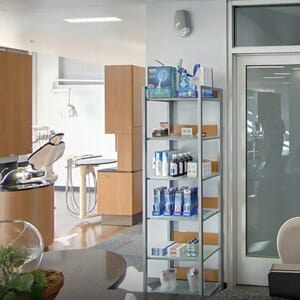
Sleep Perfection only uses dental equipment that provides ultimate comfort for every patient. We always choose amenities with the patient’s needs in mind, making sure they’re comfortable during their visits.
Learn More
We look forward to evaluating and treating your patients with the same level of care they have grown to love at your practice. Please complete the form on this page to begin the patient referral process
Learn More
Visit our Case Studies to stay informed on the latest trends and insights in sleep health. Discover a wide range of topics, including effective sleep strategies, the impact of sleep disorders, and innovative treatments that aim to enhance your sleep quality and overall well-being.
Learn More
Visit our blog to stay informed on the latest trends and insights in sleep health. Discover a wide range of topics, including effective sleep strategies, the impact of sleep disorders, and innovative treatments that aim to enhance your sleep quality and overall well-being.
Learn More
At Sleep Perfection, our focus is your total health. We work with each patient to provide understanding, expertise, training, equipment and time to achieve the best results possible and help alleviate your sleep disorders.
Learn More
For over 40 years, Dr. Pandhi has searched for solutions for his dental patients with sleep issues. He graduated in 1979 from dental school at the University of Bombay. He worked in a group practice for a few years in Tucson before starting his own dental practice, Smile Perfection, in 1987.
Learn More
If you're experiencing sleeping disorder symptoms, Dr. Pandhi and his team can evaluate and prescribe the appropriate treatment.
A sleep study at home offers an authentic, comfortable, and cost-effective way for you to get important information about your sleep health.
TMJ disorder is a condition that can cause pain and stiffness in the jaw and can lead to other health problems.
Snoring is often caused by airway obstruction and is a major sign of a sleeping disorder, such as sleep apnea.
Sleep apnea is a serious sleep disorder that causes you to stop breathing during sleep.
Oral appliances are a safe and effective treatment solution for sleep apnea, TMJ dysfunction, and snoring.
When you don't get enough sleep, your body cannot function at its best, leading to problems with focus, concentration, and decision-making.
If your child struggles with a sleeping problem, they'll likely have poor performance in school and a weak immune system.
Sleep Perfection only uses dental equipment that provides ultimate comfort for every patient. We always choose amenities with the patient’s needs in mind, making sure they’re comfortable during their visits.
Learn More
We look forward to evaluating and treating your patients with the same level of care they have grown to love at your practice. Please complete the form on this page to begin the patient referral process
Learn More
Sleep apnea is more than just a snoring problem; it is a chronic condition that robs the body of oxygen, strains the cardiovascular system, and destroys quality of life. For decades, the “gold standard” of treatment has been the CPAP machine—a device that, while effective, is cumbersome, intrusive, and often difficult for patients to tolerate. The alternative for many patients has historically been a lifetime of wearing standard dental night guards or mandibular advancement devices to help manage symptoms.
But what if you didn’t have to just manage your sleep apnea? What if you could actually address some of the underlying anatomical contributors?
Enter The Vivos Method.
At Sleep Perfection, we’re proud to offer this therapeutic protocol, which represents a different approach in sleep medicine. It’s not just another mouthguard; it’s a medical technology intended to promote changes in the jaws and airway‑related structures over time.

Vivos Therapeutics has developed a non‑surgical, non‑invasive, and non‑pharmaceutical system for treating obstructive sleep apnea (OSA) using custom oral appliances. Unlike traditional treatments that primarily manage airflow (CPAP) or hold the jaw in a forward position indefinitely (standard MADs), Vivos aims to promote expansion of the dental arches and changes in jaw posture that may improve airway space, typically over a defined treatment period.
Vivos oral appliances have received FDA clearance for the treatment of mild, moderate, and severe OSA in adults 18 and older as a physician‑directed oral appliance therapy. However, individual outcomes vary, and patients may still require additional or ongoing therapies depending on their specific case.
Vivos’ core clinical philosophy is that OSA often results, in part, from craniofacial deficiency. In simpler terms, the jaws and dental arches may be underdeveloped or too narrow, leaving insufficient room for the tongue and contributing to airway crowding during sleep.
When the upper and lower jaws are underdeveloped, the dental arch is narrow, which can force the tongue to sit farther back and increase the risk of airway obstruction when muscles relax at night.
Vivos uses proprietary oral appliances, including the DNA (Daytime‑Nighttime Appliance), the mRNA, and the CARE appliances. These devices look similar to orthodontic retainers but are designed to perform a function Vivos refers to as Pneumopedics®.
By applying light, intermittent forces to the palate and dental arches, the Vivos System aims to stimulate remodeling of the supporting bone and soft tissues. This can, in some patients, widen the arches and encourage the lower jaw to posture more favorably over a period of approximately 12 to 24 months.
The term Pneumopedics® is proprietary and reflects Vivos’ description of this airway‑oriented orthopedic/orthodontic process rather than a universally established medical discipline.
This expansion can create a larger oral cavity and potentially a wider nasal or pharyngeal airway, giving the tongue more space and reducing crowding in some patients.
The goal of Vivos therapy is that, after completion of the protocol, many patients may experience lasting improvements in airway‑related structure and function, and some may be able to reduce or discontinue other OSA therapies, depending on follow‑up sleep testing and medical guidance.
Long‑term stability and the degree of improvement vary by individual, and some form of ongoing management or adjunctive care may still be needed.
To understand the value of Vivos, it is essential to compare it to the current landscape of oral appliance therapy. While many devices look similar on the outside, the mechanism of action varies wildly.
| Feature | Vivos System | Full Breath Solution | Standard MAD | Open Loop Cricket |
|---|---|---|---|---|
| Primary Mechanism | Craniofacial and arch expansion with guided jaw posture changes (Pneumopedics). | Tongue Depression & Positioning | Mandibular Advancement (Holding jaw forward) | Mandibular Advancement (Dorsal Fin style) |
| Anatomical Change | Aims to produce structural changes in dental arches and jaw posture that may increase airway space in some adults. | Primarily manages soft-tissue and tongue position rather than changing bone structure. | Does not primarily remodel skeletal structures; focuses on repositioning the jaw during wear. | Does not primarily remodel skeletal structures; focuses on mandibular positioning during wear. |
| Duration of Use | 12–24 Months (Protocol-based) | Lifetime (Nightly use) | Lifetime (Nightly use) | Lifetime (Nightly use) |
| Comfort / Movement | High. Allows speech and drinking while worn. | Moderate. The tongue-depressing elements can be noticeable or irritating for some. | Allows mandibular advancement with some lateral movement; comfort is patient-specific. | Allows mandibular advancement with some lateral movement; comfort is patient-specific. |
| Goal of Therapy | Structural improvement and long-term reduction of OSA severity, potentially decreasing reliance on other therapies in some patients. | Symptom management by maintaining tongue position during sleep. | Symptom management by advancing the mandible while the device is worn. | Symptom management using a specific style of mandibular advancement. |
| TMJ Impact | May improve or worsen TMJ symptoms depending on individual anatomy and appliance design; careful monitoring is required. | TMJ impact can be neutral or negative in some patients; individual response varies. | Some patients experience TMJ or muscle soreness with mandibular advancement, while others tolerate it well. | TMJ impact is variable; dorsal fin designs can be better tolerated for some but not all patients. |
| FDA Status | Cleared for Mild, Moderate, and Severe OSA. | Cleared for OSA. | Generally Mild to Moderate OSA. | Cleared for OSA. |
Starting your Vivos journey requires a partnership between the patient and the provider. Unlike getting a night guard, where you simply “set it and forget it,” Vivos is an active remodeling‑oriented process with planned adjustments over time.
Before a device is ever made, a comprehensive diagnostic workup takes place. This often involves:
These steps help determine whether a patient is a suitable candidate and how the appliance should be customized.
Once confirmed as a candidate, a custom device (such as DNA or mRNA) is fabricated based on impressions or scans. During the fitting appointment, the dentist ensures the device seats properly over the teeth and adjusts it so that it feels snug but not painful. Patients receive instructions on care, insertion/removal, and how and when to activate the expansion mechanism as directed by their provider.
Patients are typically instructed to wear the device in the early evening (after dinner) and throughout the night while sleeping, reaching a total of many hours per day as prescribed.
Every 4 to 6 weeks, patients typically see their provider. At these visits, the provider checks fit and comfort, adjusts the acrylic or hardware if necessary, and may repeat measurements or imaging to track changes in the arches and airway‑related dimensions. Sleep testing may be repeated at key milestones to evaluate changes in OSA severity under medical supervision.
Vivos is a powerful tool, but it relies on specific biological mechanisms, making patient selection critical. Recently, Vivos received FDA clearance for treating severe OSA, broadening the scope of eligible patients significantly.
The ideal Vivos Candidate often exhibits:
Anatomical Narrowness: Patients with a high, narrow vaulted palate (roof of the mouth) or a V-shaped dental arch. These patients physically lack the room for their tongue.
Retrognathia: A lower jaw that appears set back or a "weak chin." Vivos can help encourage the lower jaw to posture forward more naturally as the upper arch widens.
Failed CPAP Users:Patients who cannot tolerate the mask, pressure, or noise of a CPAP machine and are looking for a lifestyle-friendly alternative.
Teeth Grinders (Bruxism): Often, grinding is the body's subconscious attempt to push the jaw forward to open the airway. By fixing the airway, Vivos often resolves the grinding.
Nasal Breathers: While Vivos improves nasal breathing, patients who have severe non-structural nasal blockages (like massive polyps) may need ENT intervention first.
Motivated Patients:This is the most critical factor. Unlike surgery, Vivos requires compliance. You must wear the device for the required 12-16 hours a day (evening + sleep) for the treatment to be effective.

For years, the narrative surrounding sleep apnea has often been one of dependency—dependency on power outlets, distilled water, and plastic hoses connected to a mask for nightly therapy. Vivos offers a different narrative for appropriately selected patients: a structured attempt at airway‑oriented structural change over a defined period, with the possibility of reducing long‑term reliance on other devices when results are favorable and confirmed with follow‑up testing.
Your airway is a central pillar of your health. Don’t just accept its collapse—explore whether rebuilding its support structures is possible for you. Talk with Sleep Perfection today about a comprehensive airway evaluation, and discover if The Vivos Method could be part of your path toward a life of less restricted breathing.